Green Initiatives: How E-Waste Recycling Services Are Protecting Our Planet
E-waste represents a considerable hazard to the environment, as abandoned electronic devices commonly carry harmful materials. Such dangerous compounds can pollute soil and water supplies, resulting in widespread environmental harm. Electronic waste recycling programs offer an effective remedy. They serve the dual purpose of reclaiming precious materials and reducing contamination. Gaining insight into how these programs function and affect local communities is critical. The journey towards effective e-waste management raises critical questions about individual responsibility and collective action. What steps can be taken next?
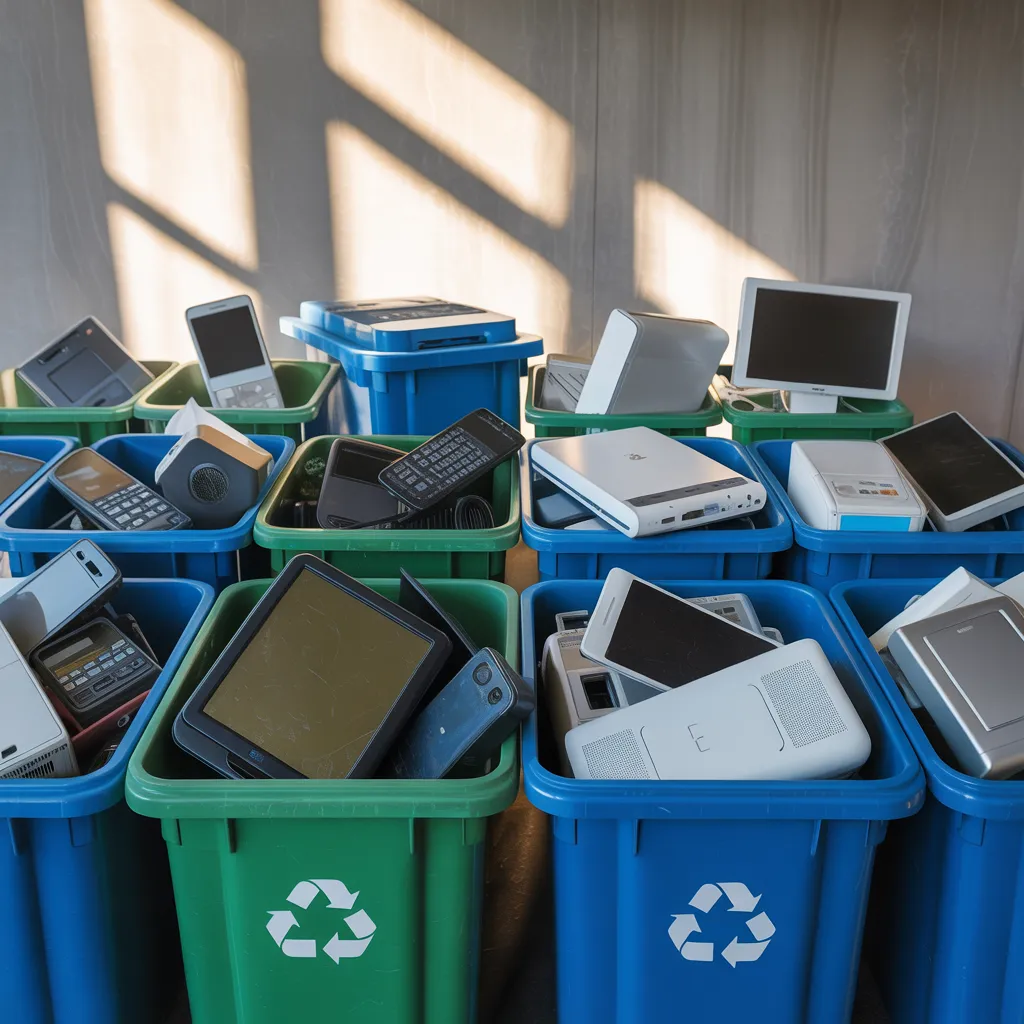
The Reasons E-Waste Is Damaging to the Planet
Although technology enriches modern life, e-waste poses serious threats to the environment. Abandoned electronic gadgets, commonly laden with dangerous compounds like cadmium, lead, and mercury, can leach toxins into soil and groundwater, creating hazards for human health and ecosystems. The accelerating rate of technological innovation leads to increased consumer turnover of electronics, exacerbating the accumulation of e-waste.
Landfills, already strained by waste, are unable to keep up with the rising quantities of abandoned electronics. Burning, an alternative disposal approach, discharges toxic contaminants into the air, worsening overall air quality. Moreover, poor recycling procedures can cause e-waste to be sent to developing regions, where employees may disassemble electronics without sufficient safety precautions, leaving them vulnerable to harmful substances. This ongoing cycle of carelessness and inadequate management emphasizes the pressing necessity for responsible recycling initiatives that can lessen the harmful consequences of e-waste on our world.
What Is E-Waste and Why Is It Important?
Electronic waste, commonly known as e-waste, comprises obsolete electronic products like smartphones, computers, and televisions that have reached the end of their useful life. This increasingly prevalent form of waste is important owing to its accelerating volume, propelled by advances in technology and evolving consumer behaviors. As growing numbers of electronics become outdated, the environmental impact intensifies, with dangerous elements including lead, mercury, and cadmium threatening both ecosystems and public Read the guide health.
The importance of addressing e-waste lies not only in mitigating these hazards but also in recognizing the valuable materials it contains. Critical metals and rare earth components can be reclaimed and recycled, decreasing the reliance on mining and protecting natural resources. Through a deeper awareness of e-waste and its consequences, both individuals and organizations can make well-informed choices regarding disposal and recycling, thereby supporting a more sustainable future. Effective handling of e-waste is vital for encouraging a circular economy and advancing environmental responsibility.
The Way E-Waste Recycling Functions
Recycling e-waste involves a structured approach aimed at reclaiming useful resources while reducing harm to the environment. Initially, discarded electronics are retrieved and sent to dedicated processing centers. Once there, the devices undergo thorough sorting to distinguish harmful elements from reusable resources.
Subsequently, technicians dismantle the devices, recovering glass, metals, and plastics. This process is vital, as it enables the retrieval of high-value metals like silver, gold, and copper, which may be utilized in new electronic devices.
Subsequently, the divided materials are treated via cutting-edge techniques, such as shredding and chemical treatments, to purify them for recycling.
Ultimately, the residual dangerous materials are managed properly, adhering to eco-friendly standards. This systematic method not only conserves resources but also reduces the dangers associated with unsafe e-waste handling, securing a more eco-conscious future for electronic consumption.
Why E-Waste Recycling Matters for You and Your Community
While many individuals may not realize it, the advantages of e-waste recycling extend beyond personal convenience to positively impact entire communities. By carefully processing electronic waste, individuals play a role in creating a healthier environment, decreasing toxic components that can leach into soil and water. This responsible method helps preserve local ecosystems and supports public health.
Additionally, e-waste recycling promotes employment opportunities within local communities. Local recycling facilities often require personnel for a range of functions, including collection and processing, consequently creating meaningful employment for community members. This not only strengthens the regional economy but also encourages community engagement in sustainable practices.
Furthermore, understanding of e-waste recycling is capable of inspiring learning opportunities, encouraging residents to adopt eco-friendly choices. By engaging with e-waste recycling programs, individuals cultivate a culture of sustainability, prompting others to embrace similar practices. All things considered, the collective impact of these actions can create a more strong and environmentally aware community.
Tips for Choosing an E-Waste Recycling Service
Selecting the most suitable e-waste recycling service is vital for ensuring that electronic waste is managed in a responsible and sustainable manner. Initially, people should verify the service's accreditations, such as R2 or e-Stewards, which indicate adherence to established benchmarks for secure waste disposal procedures. Additionally, it is advisable to evaluate the provider's reputation by checking reviews and seeking recommendations from trusted sources.
Moreover, openness in the recycling process is crucial. A reliable service should supply straightforward details about how e-waste is processed and how the materials are utilized. Furthermore, evaluating the range of services offered can be beneficial; various firms may supply retrieval services or extend benefits for recycling.
In addition, being aware of area-specific requirements for e-waste disposal may further shape the selection process. When these considerations are given priority, consumers can play a role in effective e-waste management while also advancing sustainable environmental efforts.
Ways You Can Participate in E-Waste Recycling?
Getting involved with e-waste recycling may begin at the local level, where local recycling facilities often provide essential services for responsible disposal. Additionally, taking part in community awareness campaigns can strengthen efforts to raise awareness about the importance of proper e-waste handling. Such efforts not only advance environmental sustainability but also build a collective sense of accountability for the environment.
Community Recycling Locations
Several community recycling facilities fulfill a critical purpose in e-waste recycling, supplying communities with reliable ways to handle electronic waste in a responsible manner. These centers accept a range of electronic equipment, including old computers, smartphones, and televisions, guaranteeing that dangerous substances are processed safely. Most stations have experienced team members who are able to assist individuals with correct disposal techniques, underscoring the benefits of recycling compared to landfilling. Moreover, numerous facilities provide planned drop-off gatherings or set collection days, enabling residents to engage without difficulty. By engaging with these local facilities, residents support a circular economy, decreasing environmental damage and advancing sustainable approaches. Partnering with these facilities empowers communities to take action against e-waste pollution effectively.
Public Awareness Initiatives
Community groups, educational institutions, and companies can partner to arrange initiatives that encourage e-waste collection drives. Dedicated participants can take a leading part in raising awareness, sharing informational resources, and connecting with local residents. Through these collective efforts, residents become more informed and motivated to recycle their electronic waste, ultimately contributing to a more sustainable future.
Common Questions and Answers
What Types of Electronics Can Be Recycled?
Various electronics are able to be recycled, including computers, smartphones, televisions, laptops, gaming consoles, and printers. Furthermore, accessories such as batteries, keyboards, and mice are equally appropriate for recycling, contributing to eco-friendly conservation initiatives.
Are There Any Costs Associated With E-Waste Recycling?
Indeed, e-waste recycling may involve costs, subject to the service provider. Some service centers apply costs for collection or processing, while other facilities offer free services, often subsidized by the sale of reclaimed components.
What Are the Benefits of E-Waste Recycling for Businesses?
Organizations can gain from e-waste recycling by minimizing disposal costs, enhancing their environmental image, meeting compliance standards, recovering valuable materials, and creating potential earnings via resale, thereby fostering a more environmentally responsible business approach.
What Happens to Data on Recycled Devices?
Details regarding recycled devices is commonly irretrievably wiped or obliterated throughout the recycling process. This guarantees private details stays protected, stopping improper access while allowing resources to be recycled carefully and ethically across new manufacturing processes.
Can I Recycle Broken Electronics?
Absolutely, broken electronics may be recycled. A wide range of centers accept damaged devices, providing safe disposal and retrieval of precious materials. This effort helps lower the environmental footprint while promoting eco-friendly recycling methods to manage electronic waste efficiently.